
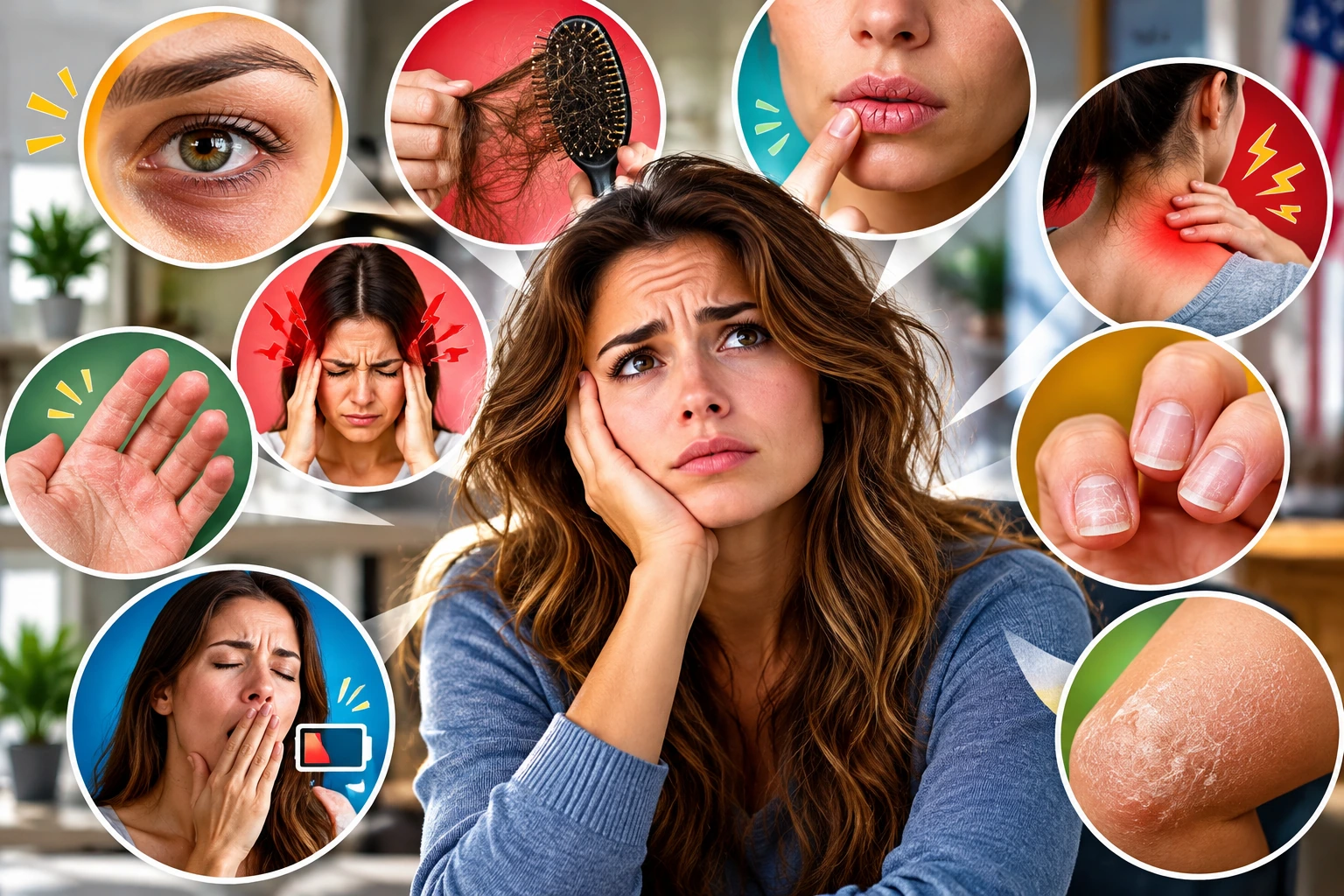
Vitamins play an essential role in keeping the body healthy, supporting immunity, maintaining strong bones, and helping the brain and nervous system function properly. When the body does not receive enough of certain vitamins, it may begin to show subtle warning signs. These symptoms can develop gradually and are sometimes mistaken for tiredness, stress, or the effects of a busy lifestyle. Recognizing the early signs of vitamin deficiency can help you seek appropriate advice and make informed decisions about your nutrition.
What Is Vitamin Deficiency?
Vitamin deficiency occurs when the body does not have enough of a particular vitamin to meet its needs. This can happen because of an unbalanced diet, problems with nutrient absorption, certain medical conditions, or increased nutritional requirements.
Different vitamins perform different functions, so the symptoms depend on which vitamin is lacking and how severe the deficiency has become. Some symptoms may overlap with other health conditions, meaning that symptoms alone cannot confirm a deficiency.
7 Early Signs of Vitamin Deficiency You Should Never Ignore
1. Persistent Tiredness and Low Energy
Feeling exhausted even after getting sufficient sleep may sometimes indicate a nutritional deficiency. Vitamin B12 and folate are needed for healthy red blood cell production, while vitamin B6 supports several important metabolic processes.
A lack of vitamin B12 or folate can contribute to certain types of anemia, which may cause weakness, fatigue, and reduced stamina. However, tiredness can also result from iron deficiency, thyroid problems, inadequate sleep, or other conditions. If fatigue continues without a clear explanation, consult a healthcare professional.
2. Frequent Illness or Slow Recovery
Vitamins A, C, D, and E contribute to normal immune function in different ways. Inadequate intake of essential nutrients may affect the body’s ability to maintain its usual defenses.
Vitamin C also supports wound healing and collagen production. If you frequently experience infections or notice that wounds heal slowly, consider discussing your symptoms and dietary habits with a medical professional. These problems are not always caused by vitamin deficiency, so an appropriate assessment is important.
3. Hair Loss and Brittle Nails
Noticeable hair thinning, increased hair shedding, or brittle nails can sometimes be associated with nutritional deficiencies. In particular, inadequate biotin intake can affect hair and skin health, although true biotin deficiency is uncommon.
Hair loss is more frequently linked to several possible causes, including iron deficiency, hormonal changes, thyroid disorders, stress, and hereditary factors. Taking high-dose supplements without identifying the cause may not help and can sometimes be harmful.
4. Bleeding Gums and Easy Bruising
Vitamin C is necessary for collagen formation, which helps maintain healthy skin, blood vessels, and gums. Severe vitamin C deficiency can cause swollen or bleeding gums, easy bruising, and poor wound healing.
Vitamin K is important for normal blood clotting. A significant deficiency can contribute to unusual bleeding, although it is uncommon in healthy adults who eat a varied diet.
Unexpected bruising or persistent gum bleeding should be evaluated by a healthcare professional instead of being treated with supplements alone.
5. Tingling or Numbness in the Hands and Feet
A tingling sensation, numbness, or unusual weakness in the hands and feet may be associated with vitamin B12 deficiency. This vitamin is essential for maintaining healthy nerve function and producing red blood cells.
If left untreated, vitamin B12 deficiency can sometimes cause lasting nerve damage. People following vegan diets, those with certain digestive disorders, and individuals who have difficulty absorbing nutrients may have a higher risk.
Seek medical advice if these symptoms persist, especially if they occur alongside fatigue, balance problems, or memory difficulties.
6. Bone Pain and Muscle Weakness
Vitamin D helps the body absorb calcium and maintain healthy bones. When vitamin D levels are very low, adults may experience bone discomfort, muscle weakness, or an increased risk of bone problems.
People who get limited sunlight exposure or have certain conditions affecting nutrient absorption may be at greater risk. However, bone pain and muscle weakness can have many causes, so testing may be necessary before starting supplementation.
7. Dry Skin and Changes in Vision
Vitamin A supports healthy vision, immune function, and the maintenance of skin and other tissues. One possible early sign of vitamin A deficiency is difficulty seeing in dim light, commonly called night blindness.
Dry skin may also occur with certain nutritional deficiencies, but it is often caused by weather, dehydration, skin conditions, or unsuitable skincare products. Persistent difficulty seeing at night should be assessed by a healthcare professional because it may have causes other than vitamin deficiency.
How Can You Prevent Vitamin Deficiency?
A varied, balanced diet is one of the best ways to obtain essential vitamins. Include fruits, vegetables, whole grains, pulses, nuts, seeds, dairy products or suitable fortified alternatives, and other appropriate sources of protein.
For example, citrus fruits and guava provide vitamin C, while eggs, dairy products, fish, and fortified foods can provide vitamin B12. Leafy green vegetables contain folate, and vitamin D can be obtained from selected foods and fortified products.
People who follow restrictive diets, have digestive conditions, or have increased nutritional requirements may need personalized dietary advice. Supplements can be helpful when a deficiency is confirmed or a healthcare professional recommends them, but excessive doses of certain vitamins can cause harmful effects.
When Should You See a Doctor?
Consult a healthcare professional if you experience persistent fatigue, unexplained hair loss, tingling sensations, frequent bruising, bone pain, or changes in vision. Depending on your symptoms and medical history, a clinician may recommend blood tests or other investigations to identify the underlying cause.
Avoid diagnosing yourself based on online symptom lists. Iron deficiency, hormonal conditions, and other medical problems can produce symptoms similar to those of vitamin deficiencies.